Travelling the Road to Markets
Our team share insights gained in Kenya following the pilot of our Road to Markets programme, designed to address the key challenges that limit women entrepreneurs’ access to markets and block their business growth.

Our research revealed key challenges that limit women entrepreneurs’ access to markets, stymieing their business growth and stifling their economic empowerment. In response, across 2024 we worked with DHL Express and Smart Regional Consultants (SRC) to develop our sixth programme, Road to Markets. Launching in early 2025 with a pilot in Nairobi, Kenya, the programme supported 20 women entrepreneurs to increase their market access. Our Head of Programme Funding, Hayley Matthews, travelled to Kenya to celebrate this first cohort’s graduation. Here, she shares insights on their experiences and what she learned from speaking to the graduates.
The trip was a reminder to always listen closely, to prioritise the right collaborations, and above all to stay responsive to what women entrepreneurs are telling us.
Last month, we travelled to Nairobi to spend time with our partners and key stakeholders, connect with women entrepreneurs who have participated in our programmes, and reflect together on what’s working, what needs to evolve, and where there’s opportunity to drive meaningful impact. The trip also marked the graduation of the first cohort of our new Road to Markets programme, developed with DHL Express and Smart Regional Consultants (SRC).
Breakfast time…
We began the week with a high-level breakfast, co-hosted with DHL Express and SRC. The session brought together senior leaders from across business, government, and the entrepreneurship ecosystem, and women entrepreneurs, for a candid conversation that surfaced both persistent challenges and practical opportunities for collaboration.
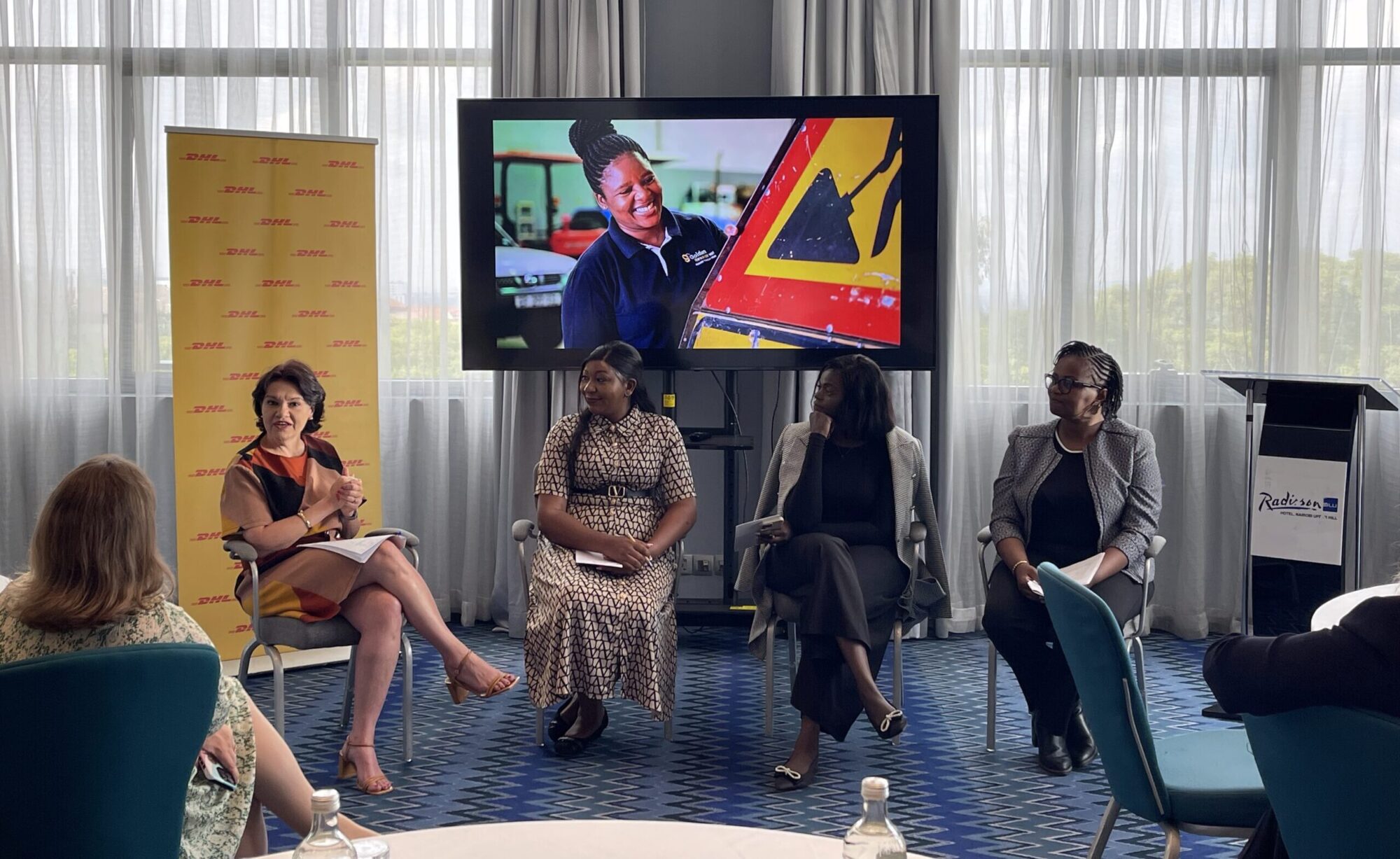
Key insights included:
- Accessing finance: Women said they don’t receive feedback when their loan applications are rejected. Banks told us that this is because women don’t ask for feedback (unlike men)—but receiving feedback shouldn’t depend on having the confidence to ask for it. Without it, many women assume they’ll never be approved and can give up trying. With it, they could reapply, plan better, and build trust in the system.
- Supply chain finance: For women trying to grow businesses through procurement or trade, access to working capital is a critical gap. Cash flow and capacity constraints continue to block participation in larger value chains.
- Market access: The ambition is there, but women told us they need practical support—help navigating logistics, guidance on trade processes, and clarity on how to reach and serve customers outside of their immediate geography.
- Mentorship and coaching: Still one of the most valued aspects of our support. There’s strong demand for more flexible ways to access one-to-one guidance, especially during key growth moments.
- Storytelling: Women want their businesses—and their experiences—to be seen. Not just for visibility, but to challenge outdated narratives and inspire broader system change. Their stories are powerful tools for shifting perceptions and policy.
Learning Together
We also hosted a roundtable feedback session with programme participants and partners to reflect on the Road to Markets pilot, which ran across the first half of 2025. This gave an open space to explore what had worked, what could be improved, and what support women still need to grow.
Women spoke about the frustrations of navigating customs, being taken seriously in financial conversations, and operating in systems that were never designed with them in mind. They also highlighted what helped: practical tools, targeted learning, and, crucially, the value of one-to-one coaching that met them where they were.
[Women] highlighted what helped: practical tools, targeted learning, and, crucially, the value of one-to-one coaching that met them where they were.
That feedback reinforced an insight that we had identified early on, when first designing the programme: access to markets means different things to different businesses. It depends on a woman’s business model, growth stage, and ambitions. For some, it’s cross-border trade; for others, it’s shifting online or breaking into retail. That’s why we built flexibility into the programme—so each participant could focus on what mattered most to her, and receive support tailored to her. That personalised design has emerged as one of the programme’s biggest strengths.
Celebrate!
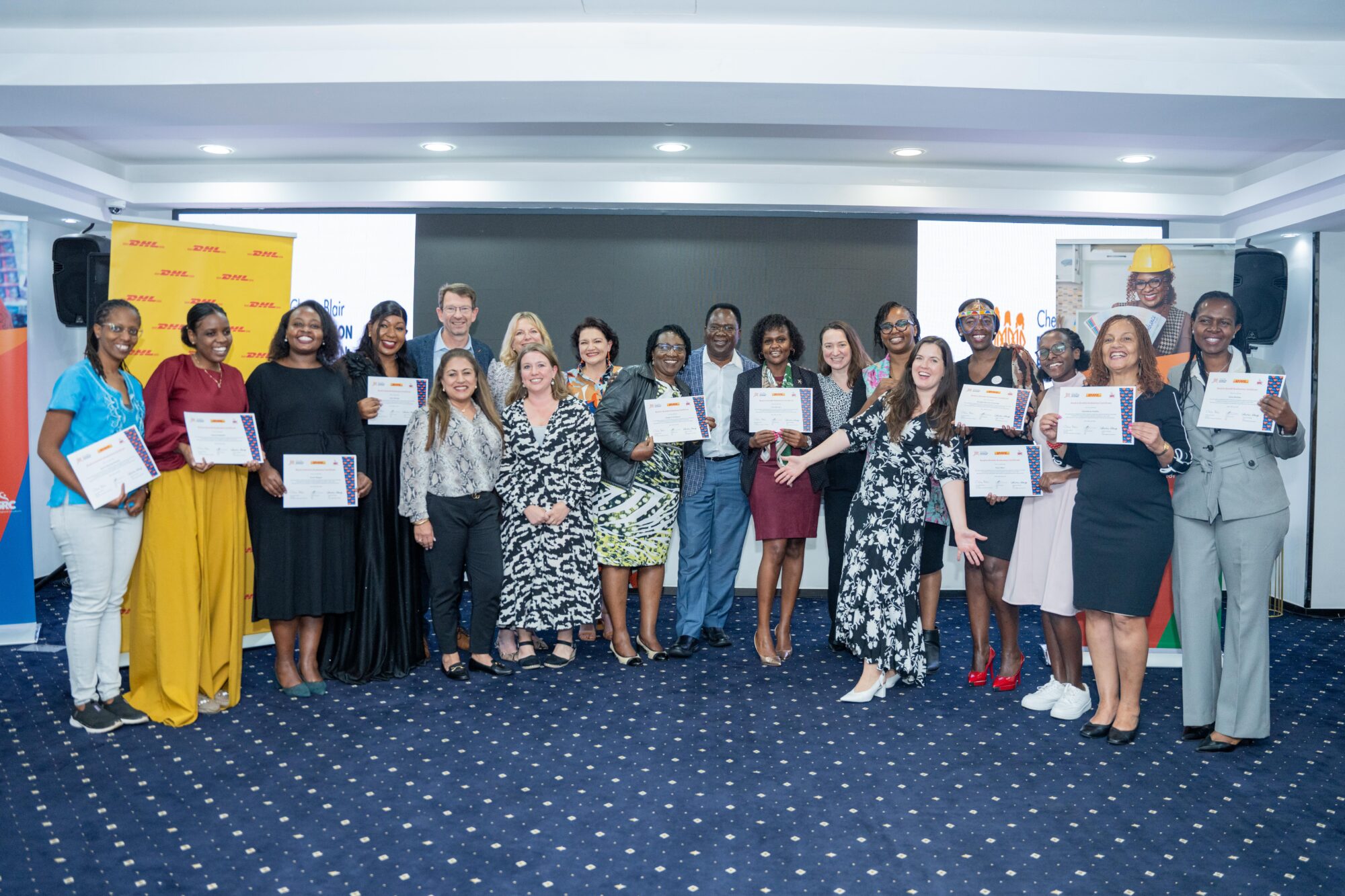
The week closed with a graduation ceremony and business expo—a celebration of the women’s achievements and a showcase of their businesses. From beekeeping to food manufacturing, the range of industries represented was inspiring.
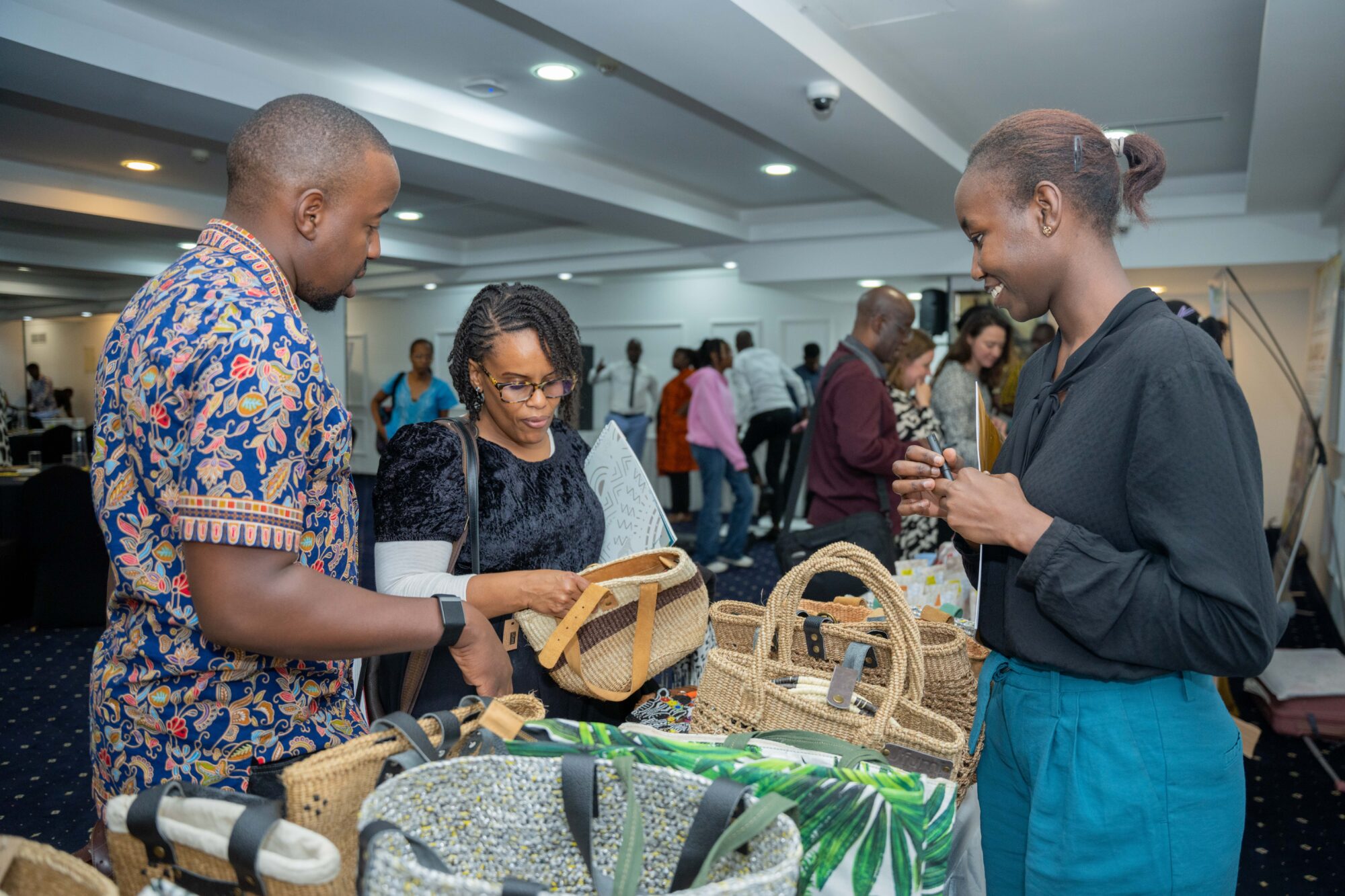
Many of the women had previously taken part in other programmes of ours, and it’s always so exciting to see how they’d continued to grow since, often building on past learning and the networks that they’d developed. Several were already collaborating with each other: sourcing from fellow graduates, referring clients, or sharing suppliers.
There was music, dancing, and a real sense of pride in the room. Children joined their mothers on stage as families gathered to mark the moment and celebrate hard-earned successes.
What’s next?
We’re now working to refine Road to Markets for future cohorts, using insights from the roundtable and a formal evaluation that’s currently underway. We’re also thinking about scale: how to adapt the programme for different contexts, and how strong, values-driven partnerships can help us bring it to new regions while keeping it responsive and relevant.
More broadly, the trip was a reminder to always listen closely, to prioritise the right collaborations, and above all to stay responsive to what women entrepreneurs are telling us. If you’re interested in supporting this work or bringing it to new regions, we’d love to talk.
Let's collaborate
We work with partners to deliver our training and mentoring programmes and catalyse women’s entrepreneurship development worldwide. With a deep understanding of the challenges and context, we support women to build the knowledge, skills, confidence and networks for business success, whilst realising our partners’ objectives.