4 things we learned about women’s access to markets from our new programme in Kenya
We asked Road to Markets participants to share their experiences in our Road to Markets programme. Here's what they said!

Our new Road to Markets programme’s pilot in Kenya was designed to address barriers and challenges holding women entrepreneurs back from accessing new markets or expanding within existing ones. Here, our Senior Programme Manager, Cristina Rivero, shares learnings from our endline participants survey combined with some on-the-ground feedback from the programme, funded by DHL Express and delivered in partnership with Smart Regional Consultants (SRC).
The persistent challenge of accessing new markets
In our conversations with the Road to Markets programme graduates, they reinforced that accessing new markets is one of their most significant hurdles to business growth and revealed the nuanced layers that go beyond the obvious challenge of finding customers. It was clear that while women entrepreneurs had highly innovative and marketable businesses, they faced interconnected barriers that required holistic support to overcome.
Four key themes emerged…
1. Accessing new markets requires access to finance
Perhaps the most striking insight from the programme was the recognition that there is no access to markets without finance. This isn’t simply about startup capital, but about the specific financial products that enable market expansion such as supply chain finance, shipping finance, and flexible payment terms that align with business cycles and longer shipping timelines.
For example, financing shipments and inventory for longer trade routes is one such challenge. But traditionally, women find it harder than men to access loans as they are often dependent on collateral such as land or home that’s traditionally owned by men.
The programme seemed to have increased women’s interest in accessing funding for their businesses. Our survey revealed that 69% of participants were interested in accessing finance at the start of the programme, and a further 19% of participants developed an interest in financing as a result of the programme. Most women said they were interested in grants or accelerators/incubators and, interestingly, none were keen to pursue financing from banks, which highlights what a barrier accessing finance from regular sources it is for women.
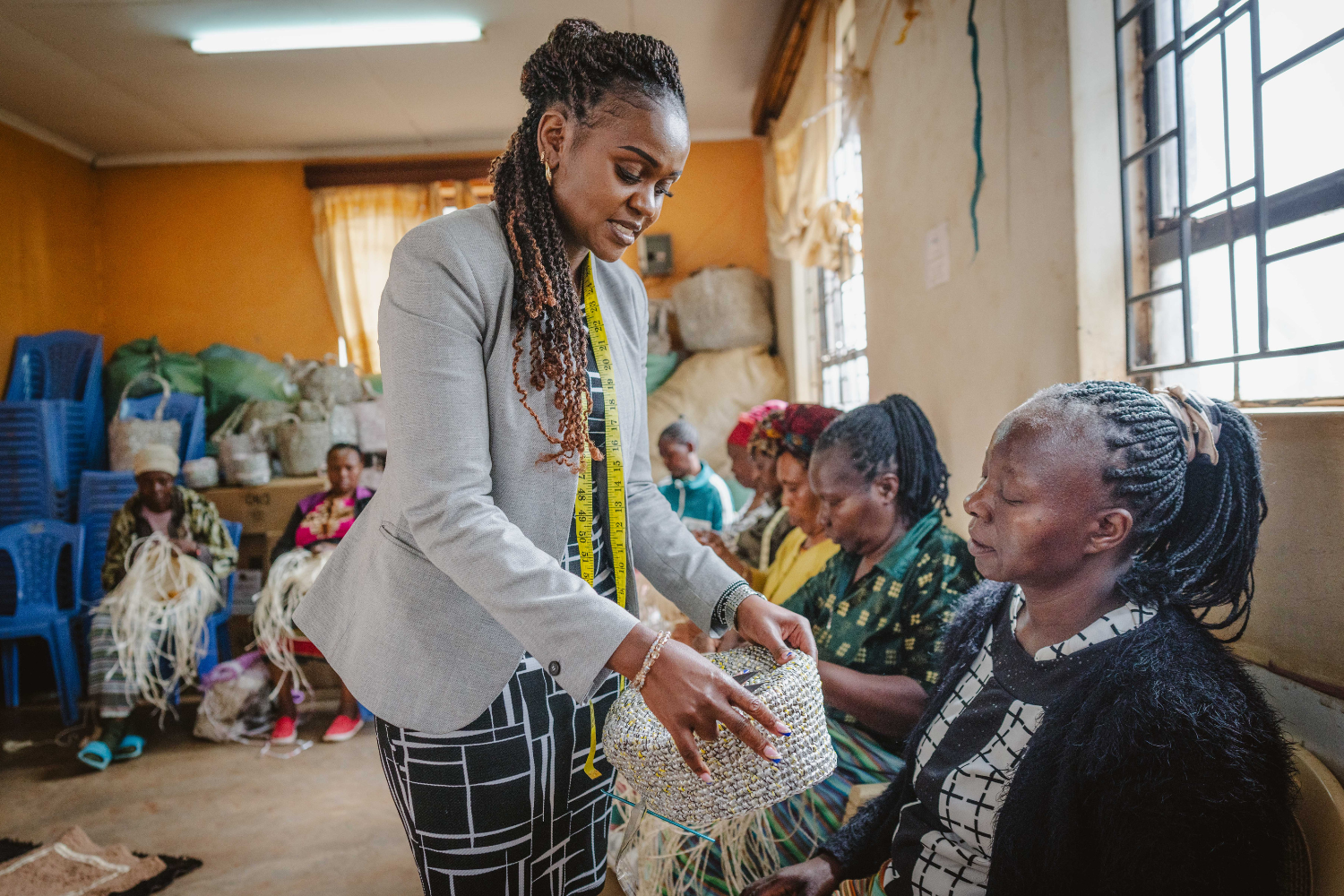
2. Training and tailored coaching are crucial
The Road to Markets programme offers highly tailored coaching and training to support women entrepreneurs in overcoming the barriers they face in accessing new markets or expanding their current ones. Our conversations with programme participants revealed that the coaching component was the most valued element of the programme’s design. In fact, 100% of the participants found the deep dives and 1-1 coaching helpful.
The women also appreciated having active practitioners coach them, including professionals from DHL Express, rather than just academic experts. This told us that it isn’t just about knowledge transfer; it’s about accountability, practical guidance, and having someone to navigate challenges with.
The one-to-one coaching was particularly impactful, as it was tailored to Ufumi Culture’s specific needs. I had mentors who held me accountable, guided me on strategy, and encouraged me to make my own decisions.
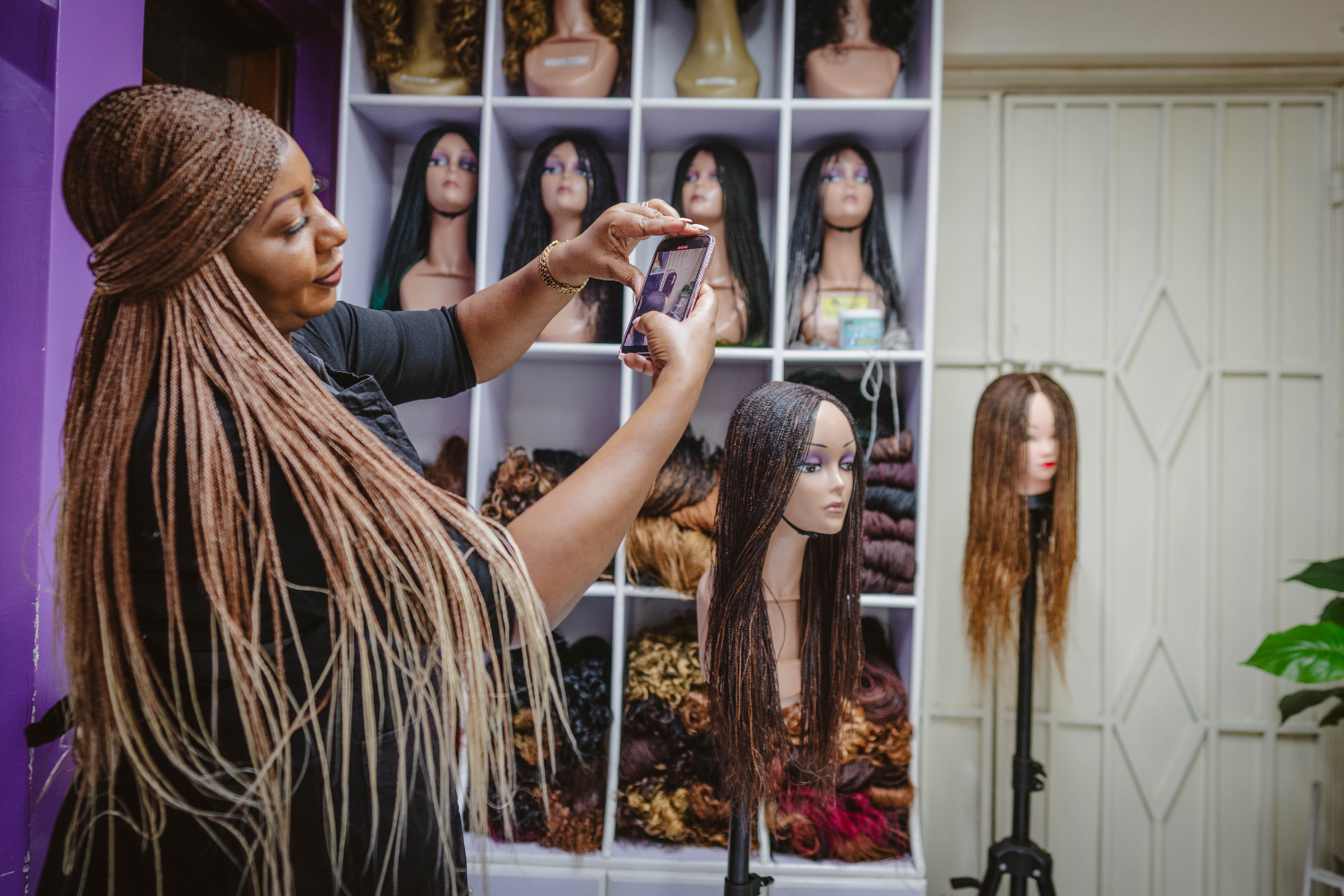
3. Digital transformation as an enabler
Digital transformation was a strong focus of the feedback we received from the participants. Women reported exploring tools like AI, online selling platforms, and payment systems to modernise their operations.
Many experienced significant digital marketing growth, with businesses reviving social media presence, optimising websites, and measuring engagement for the first time. This was largely due to the digital marketing masterclass, which 100% of participants found helpful.
The training on digital marketing and e-commerce was particularly valuable. Before, I had little idea how to use platforms like TikTok or Facebook Ads effectively. Now, I use influencer collaborations, targeted ads, and consistent posting to reach both local and international customers.
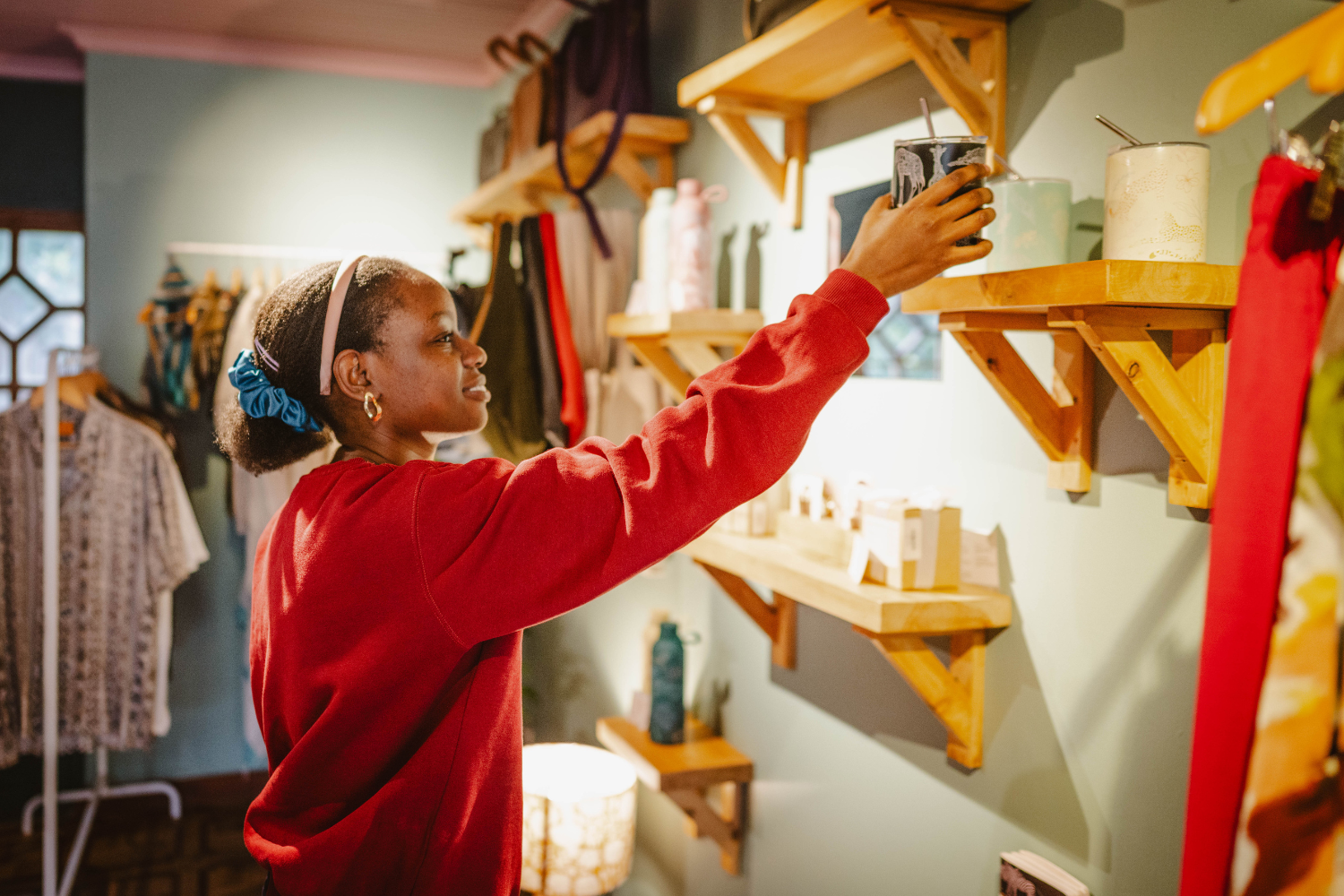
4. The complexity of cross-border trade
While some participants initially thought their main challenge was related to a specific topic, for example legal compliance, the programme revealed that successfully accessing new markets requires understanding multiple interconnected systems. Cross-border trade presents particular challenges for women entrepreneurs, who often face additional scrutiny at customs and have limited access to trade finance.
As a first-time entrepreneur, I had to teach myself everything, market segmentation, product positioning, export requirements, often with limited information and guidance.
Looking forward
Our learnings from the Road to Markets pilot have reinforced our belief that supporting women’s market access requires more than individual capacity building—it demands systemic change. This includes advocating for appropriate financial products, working with logistics providers to understand women entrepreneurs’ needs, and creating platforms for ongoing peer support.
While traditional training programmes often focus solely on individual skills, our experience suggests that women entrepreneurs need integrated support that addresses finance, coaching, technical skills, and systems navigation simultaneously.
As we prepare for the next iteration of Road to Markets, we are designing it with these insights in mind: more streamlined coaching, more flexible programme structures, and stronger emphasis on peer learning and networking.
The feedback from women in Kenya reminded us that behind every market access challenge is a woman with talent, determination, and innovative solutions. Our job is to ensure the systems and support structures exist to help her succeed!
Made possible by...


Let's collaborate
We work with partners to deliver our training and mentoring programmes and catalyse women’s entrepreneurship development worldwide. With a deep understanding of the challenges and context, we support women to build the knowledge, skills, confidence and networks for business success, whilst realising our partners’ objectives.
Read the stories of Road to Markets alumnae...
-
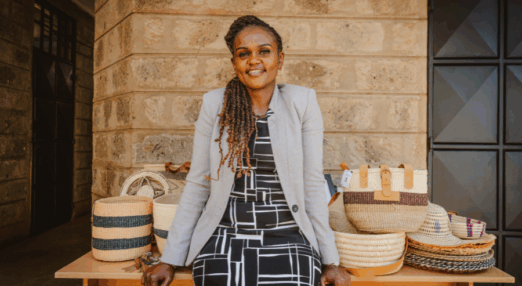
June’s story: weaving Kenyan crafts into global markets
June Ng’ang’a's business supports women from marginalised communities by nurturing their traditional artistry and bringing their crafts to new markets.
Read more
-
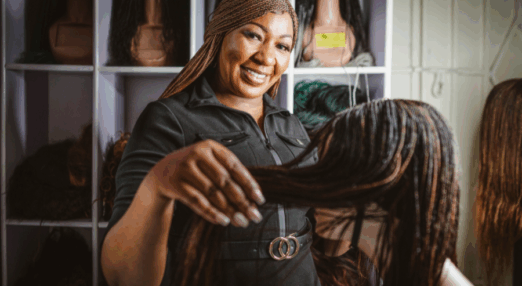
Joyce’s story: bringing custom wigs to women everywhere
Joyce Ndungu's business creates custom wigs that are tailored to meet the individual needs and preferences of women in Kenya and beyond.
Read more
-
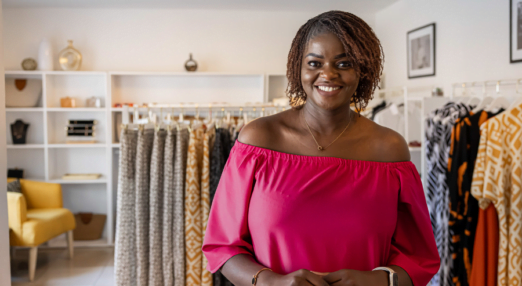
Joy Obuya’s story: sustainable fashion for every body
Joy Obuya runs a sustainable, body inclusive fashion brand in Kenya. Road to Growth supported her to strengthen her financial knowledge and lay plans to access new markets.
Read more