Top 5 Challenges Facing Women Entrepreneurs — And How We Can Address Them
Women entrepreneurs told us their top 5 business challenges. This Global Entrepreneurship Week, it's time we address them.

This Global Entrepreneurship Week, as we celebrate the massive contributions of business owners everywhere, we must also recognise the challenges they face and the disproportionate impact those challenges have for women entrepreneurs compared to men. Gender- specific social, systemic, and legal barriers put women at a disadvantage in business and hold them back from achieving their full potential.
In late 2024, we surveyed nearly 3,000 women entrepreneurs in around 100 countries about their entrepreneurial experiences. Their responses illuminated the top business challenges facing women around the world and helped us identify what support is needed in order to level the playing field. Findings were published in our landmark research report for International Women’s Day in 2025.
What are women’s top 5 business challenges?
5. Costly and complicated business regulations
At number five, we find one of the most persistent obstacles: red tape and regulation.
Eighteen percent of women entrepreneurs reported facing difficulties in registering their businesses due to high costs and complex bureaucratic processes. For many, starting a business involves navigating lengthy procedures, multiple agency approvals, and unaffordable registration fees.
This administrative burden disproportionately affects women who often juggle unpaid care work alongside entrepreneurship, leaving less time and flexibility to meet bureaucratic demands. Simplifying business registration and cutting unnecessary costs would make formalisation more achievable — and unlock opportunities for women to grow their enterprises securely and sustainably.
When registering a business, there is excessive paperwork to comply with, conflicting policies, and a lack of support and understanding from the government regarding our situation as a new business.
4. Lack of business skills and experience
Another major challenge women identified is limited access to business skills and experience. In fact, 20% of the women we surveyed listed this as a top business challenge.
Many women entrepreneurs report learning through trial and error rather than formal training. Lack of exposure to business management, marketing, or financial planning can limit confidence and slow growth. This is particularly true in regions where women’s education and mobility are restricted, and where mentorship or networks remain male-dominated.
The Foundation’s programmes directly address this gap by providing tailored training, digital learning, and mentoring. When women gain business knowledge, they gain power: they are more likely to formalise their operations, access finance, and employ others.
3. Customer retention
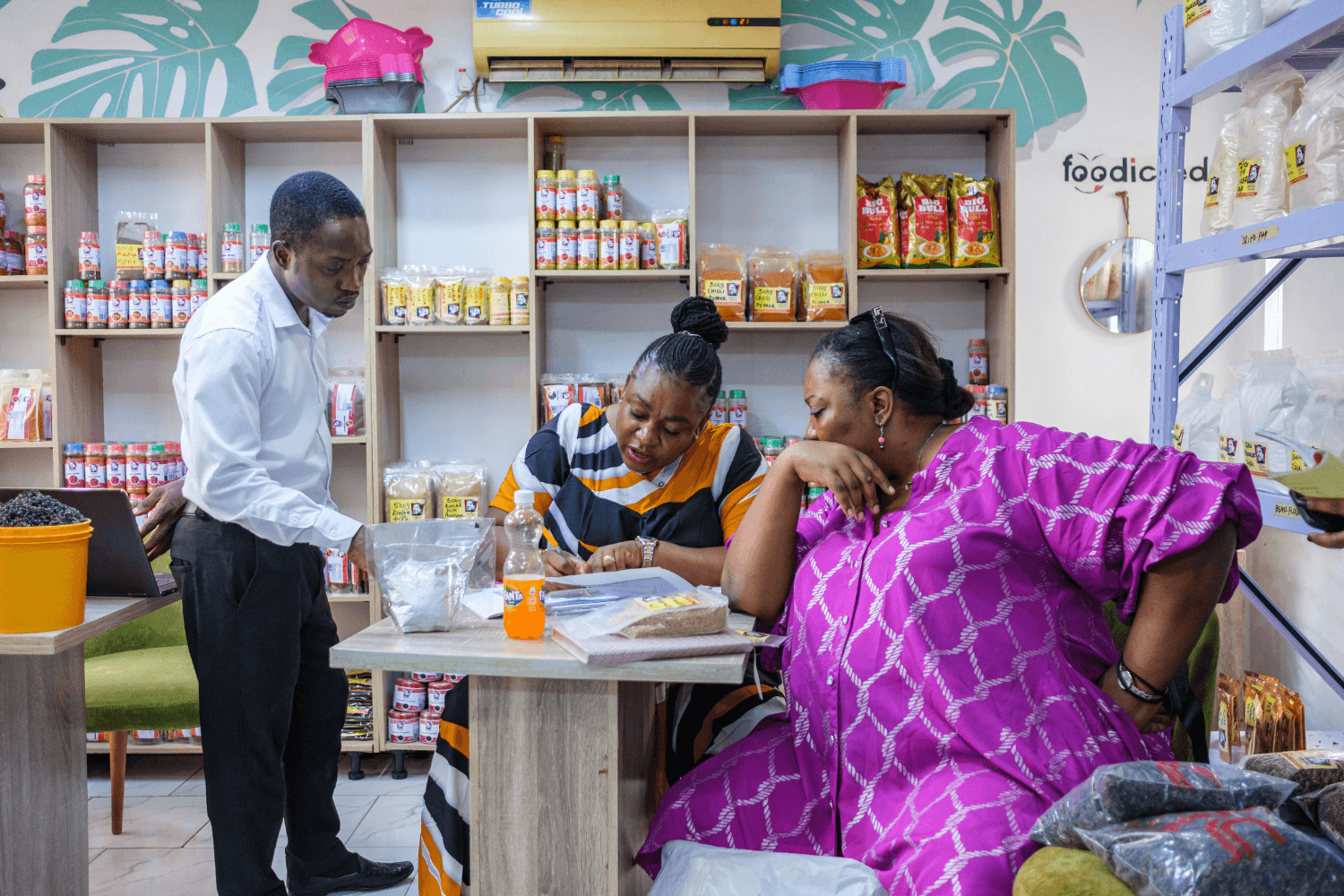
Coming in at number three is a challenge familiar to business owners everywhere: finding and keeping customers.
Twenty-seven percent of the women we surveyed said customer retention was a major barrier to success. Many operate in highly competitive, low-margin markets where customer loyalty can be fleeting. Others struggle to expand their customer base beyond local communities due to limited marketing resources or digital presence.
Improved internet access and digital marketing skills could help address this. As our research shows, women entrepreneurs with regular internet connectivity are far more likely to use e-commerce and social media to reach new markets, deepen their penetration in existing markets, and retain customers.
It's important for us to bring our products to new markets, because it increases our revenue and allows us to reach more customers.
2. Macroeconomic environment
At number two, nearly half of respondents (48%) cited the macroeconomic environment as a major challenge.
Women entrepreneurs across low- and middle-income countries are navigating tough economic conditions — rising inflation, increased costs of doing business, political instability, and the elimination of subsidies all undermine their efforts to grow.
These external pressures often hit women hardest because their businesses tend to operate on thinner margins, with fewer savings or access to credit to cushion against economic shocks. Without structural reform and stronger policy support, women-led businesses risk being disproportionately affected by global and national crises.
1. Access to finance
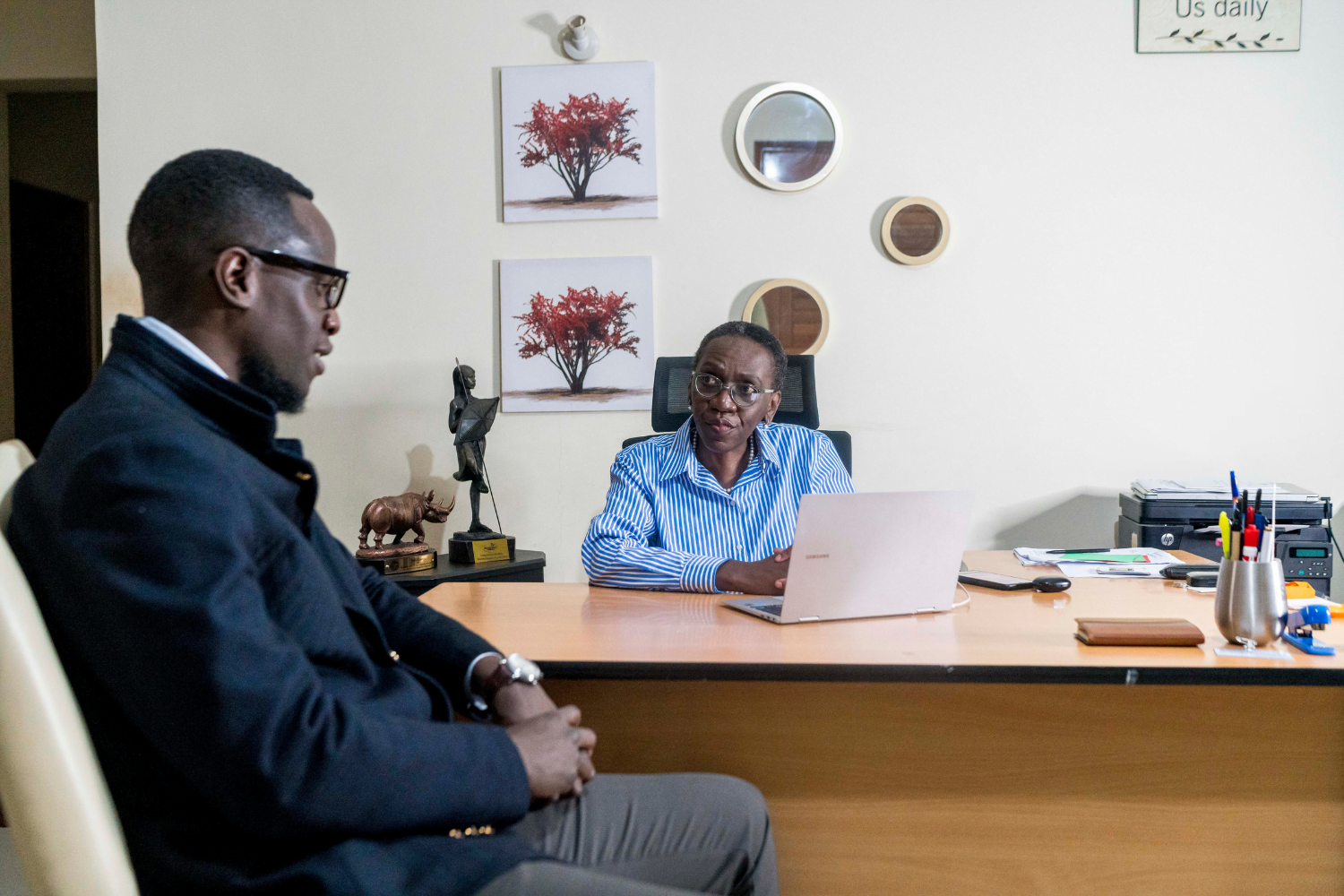
Topping the list — and consistently cited across all regions — is access to finance.
A striking 78% of respondents identified limited access to finance as one of their greatest challenges. Women entrepreneurs struggle with high borrowing costs, stringent collateral requirements, and limited financial literacy. Many rely on personal savings or informal lending circles to fund their businesses, restricting their ability to expand or invest in technology.
The result is a persistent financing gap that continues to constrain women’s economic potential. As our report highlights, closing this gap would not only empower millions of women but also stimulate economic growth worldwide.
One of the major challenges is the lack of funding. Big money goes to the men because there is a belief here that women shouldn’t run large businesses.
What can be done?
No single actor can solve these challenges alone. Individuals, policymakers, financial institutions, and the private sector all have a role to play. Our report, “Empowered or Undermined? Women Entrepreneurs & the Digital Economy” offers a full list of recommended actions for all stakeholders, which we encourage you to read.
At the Foundation, we’re doing our part by providing quality training, mentoring, and skill development programmes which are designed to meet the specific needs of women entrepreneurs in low and middle income countries, as identified through our annual research surveys. These programmes provide women with the knowledge, confidence, networks and pathways they need to access funding, grow their businesses, expand into new markets, and take their businesses to the next level.
We’ve worked with around 300,000 women entrepreneurs around the world, so far. Each of those women create a ripple effect of impact on the world around them. They provide vital services in their communities, create jobs, and act as role models for the next generation of business women. With your support, we could support even more women entrepreneurs!
This Global Entrepreneurship Week, you can support our work by:
Get involved
-
Corporate and Institutional Partnerships
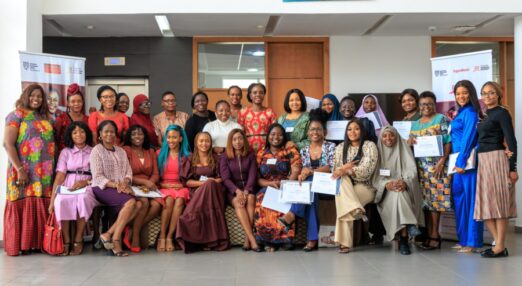
Purpose-designed collaborations that advance women's entrepreneurship.
Read more
-
Become a mentor
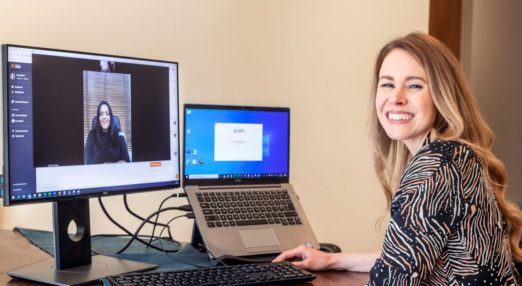
Become a vital part of a woman's business success story.
Read more
-
Donate now
Our donors have supported almost 300,000 women in low and middle income countries to start, sustain and grow businesses through our work. Your vital donation will help us reach many more.
Read more