It’s time we address the gender gap in internet access
The digital economy holds immense potential for women entrepreneurs—but only if they can connect to the internet.

In today’s connected world, access to the internet isn’t a luxury—it’s a lifeline for business innovation, customer reach and growth. Yet for many women entrepreneurs in low- and middle-income countries (LMICs), reliable internet access remains elusive. Our research underscores this digital reality—and highlights the cost of leaving half the entrepreneurial world offline. Here, we reveal our key findings on the barriers that keep women from accessing online spaces and our recommended actions for closing the gender gap in internet access.
Why internet access matters
Digital tools are transforming how businesses operate—through e-commerce, social media marketing, online payments and even artificial intelligence. For women entrepreneurs, reliable internet access can be the difference between local survival and global growth.
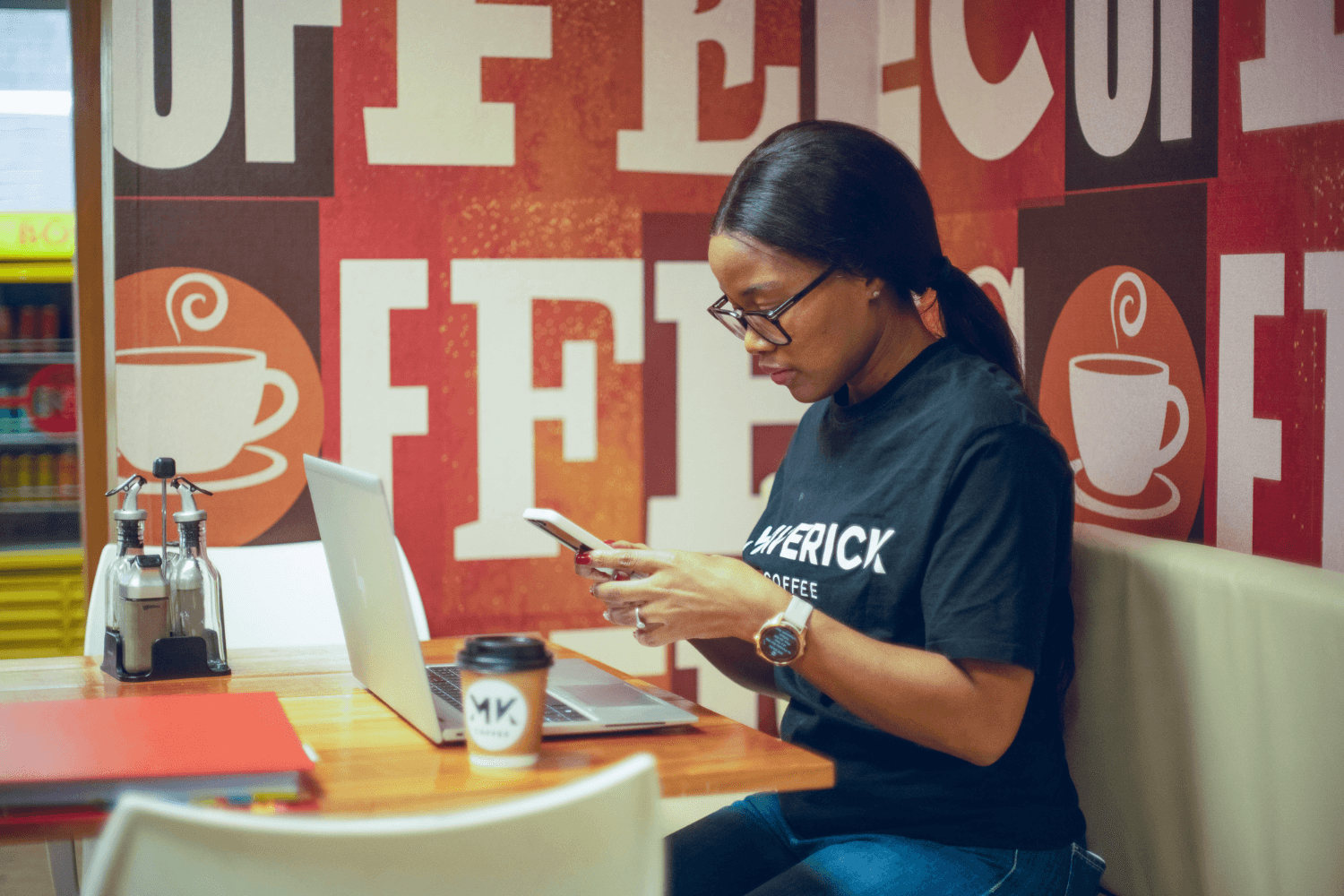
Our research, which pulls findings from a survey of nearly 3,000 women entrepreneurs in around 100 low and middle income countries, found that 92% of women entrepreneurs own a smartphone, yet 45% still lack regular or reliable internet access
Internet access is very important. We get 90% of our sales through Internet.
Connectivity is closely tied to business success: women with regular internet access are twice as likely to use digital tools in production and 1.6 times more likely to sell or deliver their products online.
This access gap has global implications. Closing the gender gap in mobile internet adoption could add US $1.3 trillion to GDP in low- and middle-income countries by 2030.
Barriers to access: cost, connectivity and safety
Despite such benefits, persistent barriers are preventing women entrepreneurs from making the most of the digital revolution.
Affordability remains the biggest obstacle. Even if women business owners can afford a phone – which already is a problem for many – the cost of data remains a big barrier to using it regularly.
For those who can afford to connect, poor connectivity often hinders their ability to use digital tools effectively. Weak or inconsistent network coverage limits online transactions, marketing and access to digital learning.
Women entrepreneurs' top 5 barriers to internet access (%)
In South Africa, we have to deal with load shedding, which impacts our internet access.
Safety and social norms are further barriers. Sixteen percent of surveyed women cited safety and security concerns as reasons for staying offline, and among them, 62% had experienced online harassment. Many also reported having to avoid posting photos or videos of themselves online—a self-protective measure that limits their business visibility.
This digital exclusion isn’t just a technological problem; it’s a gender equality issue. Across low- and middle-income countries, 265 million fewer women than men are accessing mobile internet. Without intentional action, the digital revolution risks leaving women entrepreneurs even further behind.
Addressing the access gap
To close this divide, our research calls for coordinated action from governments, businesses, and the development sector.
- Make connectivity affordable and accessible.
Governments and private sector actors should invest in device-financing programmes, introduce tax incentives for affordable smartphones, and expand low-cost, internet-enabled devices.
- Expand reliable broadband and mobile coverage.
Public and private investments must improve the quality and affordability of 4G, 5G and fixed wireless networks so that every woman entrepreneur can connect where she works.
- Build women’s digital skills.
Digital literacy and training programmes must be scaled up—equipping women to confidently use online platforms, adopt new technologies like AI, and grow their enterprises.
- Ensure online safety.
Technology companies must take proactive steps to make digital spaces safer for women—through stronger content moderation, clearer reporting tools, and strict enforcement of anti-harassment policies.
The digital economy holds immense potential for women entrepreneurs—but only if they can connect. Access to affordable, reliable, and safe internet is not a privilege; it’s a prerequisite for equality and economic growth.
When women entrepreneurs have the tools to connect, they can innovate, compete and lead. But when they’re left offline, entire economies lose out.
Together—with governments, the private sector and other partners—we can bridge this divide and ensure that no woman is left behind in the digital economy.
Download our report to read our full list of recommendations.
Read more news...
-
Our top three highlights from 2025
We are proud of the strides we made to support women’s entrepreneurship and economic justice in 2025. Here are your three key highlights.
Read more
-
It’s time we address the gender gap in internet access
The digital economy holds immense potential for women entrepreneurs—but only if they can connect to the internet.
Read more
-

Top 5 Challenges Facing Women Entrepreneurs — And How We Can Address Them
Women entrepreneurs told us their top 5 business challenges. This Global Entrepreneurship Week, it's time we address them.
Read more